"The body works as one connected system — your practice and movement should too"
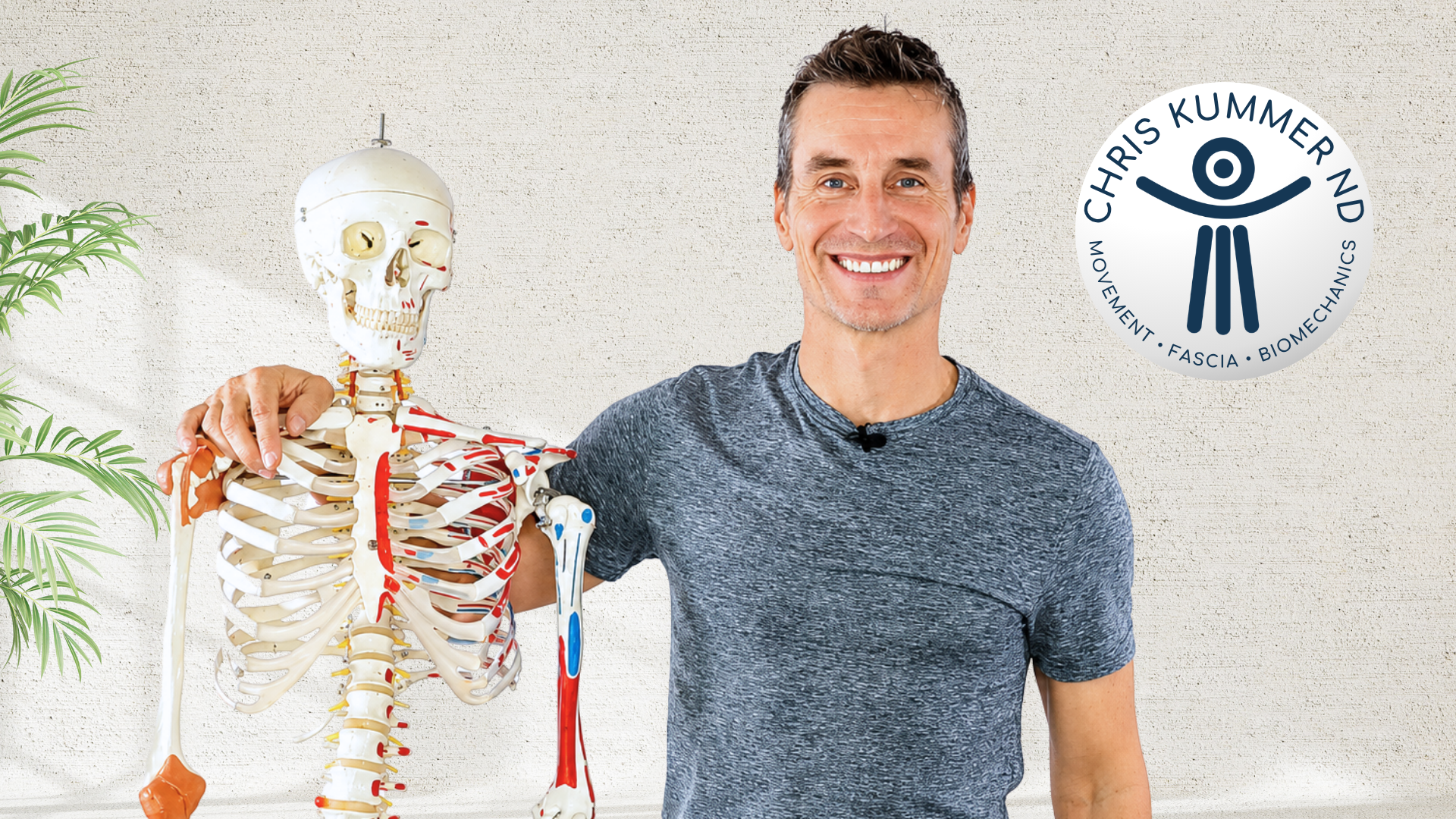
Hi, I'm Chris
I work with people to understand how the human body organizes itself for movement, stability, and adaptation.
My focus is not on isolated anatomy or fixed “correct” positions, but on the living, responsive system that continuously adjusts to gravity, load, experience, and environment.
Over the years, my work has developed through medicine, natural health, and yoga — not as separate disciplines, but as different ways of approaching the same question:
How does movement actually emerge in a living body?
A systems view of movement
The body does not move as a collection of separate parts.
It moves as a continuously adapting, interconnected system.
Muscles, fascia, bones, nerves, and breath are expressions of one integrated structure responding to demand.
Posture is not a fixed alignment, but a temporary organization within a dynamic system.
Movement is not produced in one place, but distributed through relationships and tension patterns across the whole body.
How I work
My work exists in three connected formats:
- Online movement anatomy education
Structured courses that help people understand how the body organizes movement, load, and adaptation through applied anatomy and functional principles. - Live teaching and workshops
Practical exploration of movement, perception, and coordination in real time, where concepts become embodied experience. - Hands-on clinical and movement-based work
Individual sessions where anatomical understanding is applied directly to movement patterns, regulation, and functional change.
Across all three formats, the underlying approach is the same: understanding how the body adapts, rather than how individual parts are “trained” in isolation.
Fascia as a lens, not a system
Modern fascia research provides useful insight into how force and tension are distributed through the body.
In my work, fascia is not treated as a separate system, but as a useful way of observing continuity, load transfer, and adaptation across tissues.
It helps describe movement — it is not the explanation itself.
Online courses
My online movement anatomy courses are designed for practitioners, yoga teachers, and movement professionals who want to go beyond surface-level anatomy.
They focus on:
- how movement is organized through integrated tissue systems
- how load and tension are distributed through the body
- how adaptation changes structure and function over time
- how to translate anatomical understanding into practical teaching and movement choices
The aim is not memorization of anatomy, but a functional understanding that changes how you see and work with the body.
Education and practice
I teach internationally in movement education, yoga, and anatomy-based training programs.
Across all contexts, the intention is the same: to support a shift in perception — from seeing the body as something to correct, to understanding it as something that continuously adapts.
This shift changes how we practice, how we teach, and how we relate to movement itself.
A simple orientation
At the core of my work is a simple idea:
The body is always adapting to what we repeatedly do.
When this is understood, movement becomes less about achieving ideal positions and more about working intelligently with change.
This approach is not about adding complexity.
It is about clarity — and about making movement understandable, usable, and applicable in real practice.
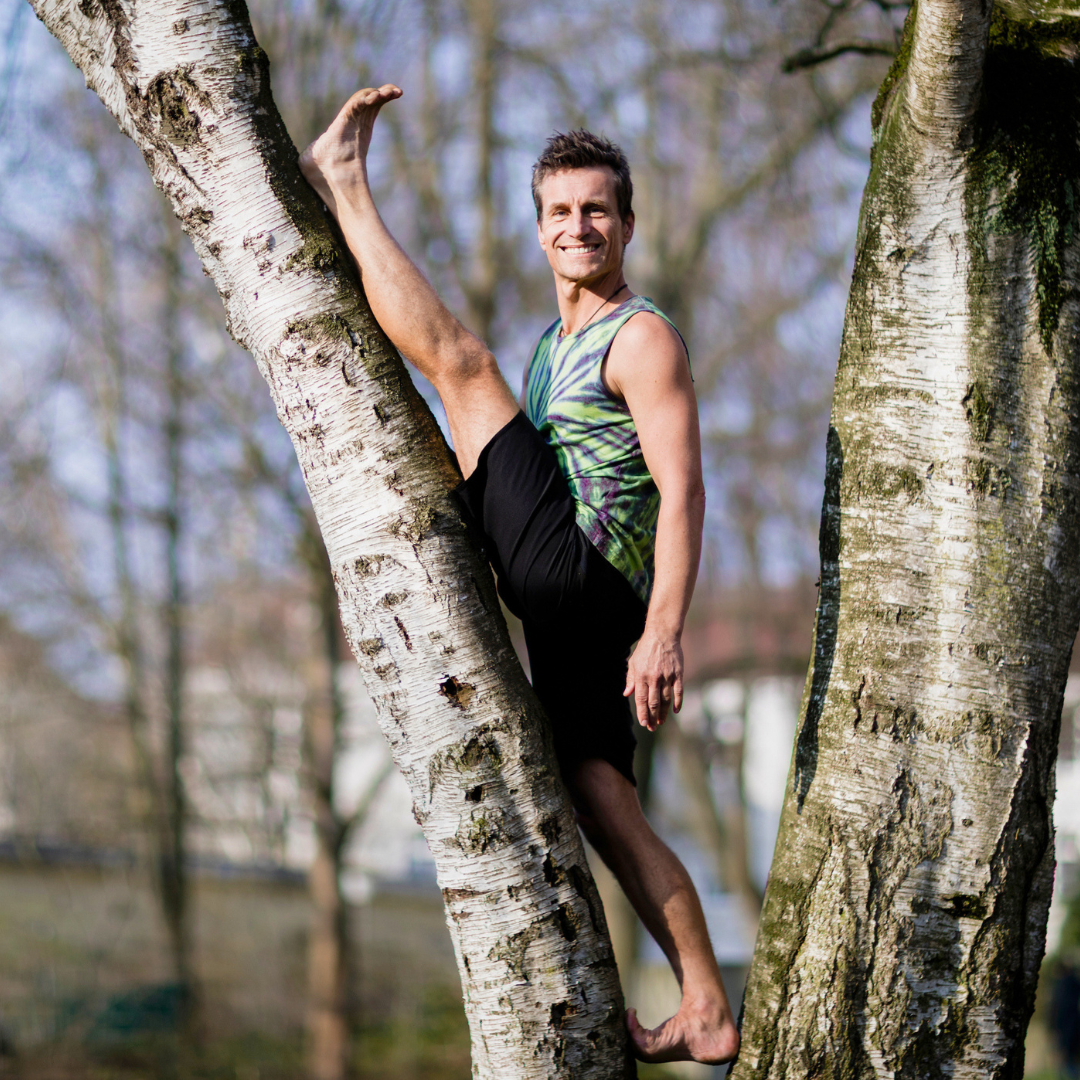
Movement education for modern practitioners and teachers.
Choose your way to learn with Chris
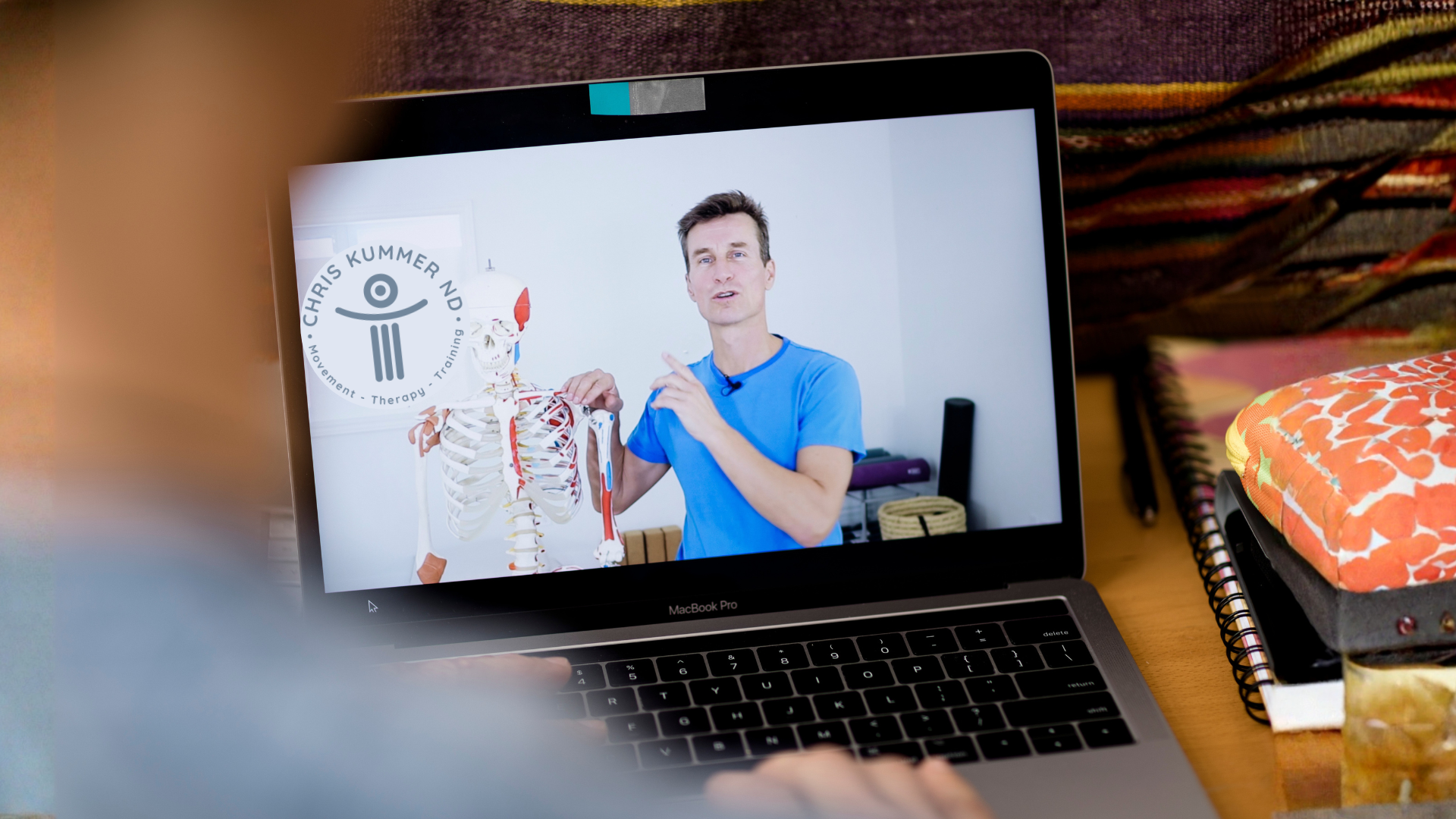
Online Courses
Learn fascia informed movement anatomy with these certificate courses
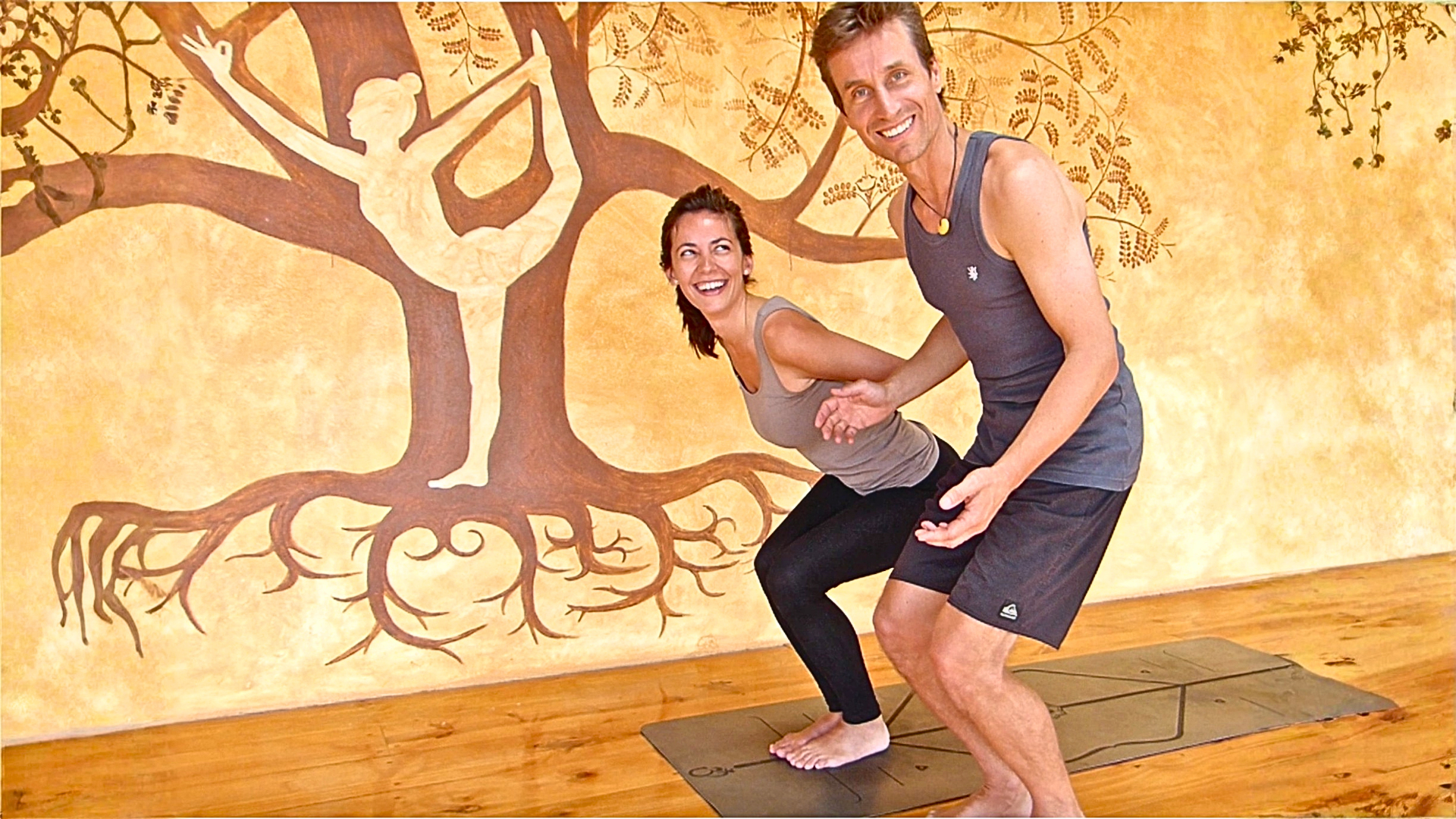
1-on-1 Sessions
Refine your practice or book a treatment to move better without pain
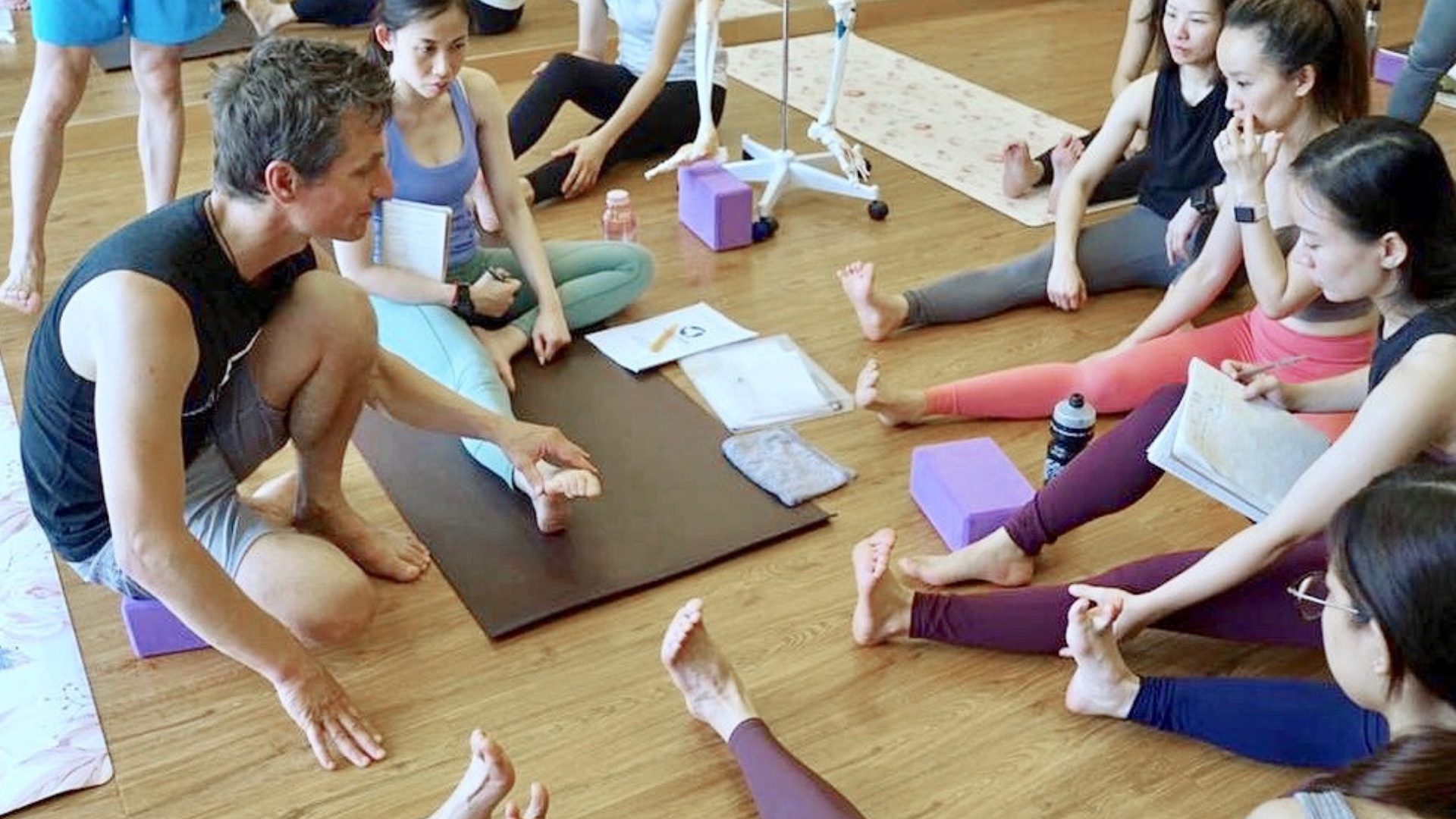
In-Person Workshops
Live teaching events to learn fascia movement anatomy
Stay Connected
Get fascia informed movement and anatomy ideas delivered to your inbox:
